3 Rules For “Off the Record” Conversations

An “off-the-record” conversation with a journalist can sound mysterious or complex, but in PR it’s a very effective tool. Whether you’re providing candid background about a frustrating trend in your industry or trying to blunt the impact of a coming story about your organization, off-the-record interactions with reporters can deliver benefit for your brand, even though the impact may be indirect.

Off-the-record chats aren’t limited to politics or crisis management, although we often hear about them in that context. The New York Times posted a primer on the term after President Trump famously spoke about an off-the-record meeting he had with publisher A.G. Sulzburger, thus breaking the agreement. Beyond politics, however, such agreements can be useful for business and technology PR and storytelling. Yet as the Trump incident illustrates, the term is sometimes misunderstood, or it’s confused with other journalistic terms of art like “on background” or “deep background.” Even when the rules are clear, it can backfire when undertaken by the wrong people.

For those who need a refresher on what “off the record” means, check out Mashable’s overview. As they put it, when a conversation is off the record, “the understanding is that she or he will not only not quote you, but not even paraphrase what you’re saying. There will be no record, and no mention of this information anywhere.”

So, if the information can’t be used, why bother? Because off-the-record conversations can impart valuable knowledge that may guide a journalist in subsequent research. It can also help to shape future coverage in meaningful ways. But the reporter must refer to other sources and proof points. Think of it as pointing the journalist in the right direction and offering context for future inquiries.

With that in mind, here are three rules to keep in mind when having off the record conversations in 2019.

Get it in writing
Keep in mind, an off-the-record agreement is not legally binding. Rather, in the news world it’s a culturally accepted method of sourcing information. Reporters generally honor off-the-record agreements because they want to continue being trusted by sources to share worthwhile news and background. It’s also widely accepted practice among journalists and frowned upon in media organizations to burn sources.

With that said, mistakes can happen. Perhaps a journalist you spoke to on the phone recalled the conversation differently, or for some reason is backpedaling on what you believe was an agreed upon off-the-record exchange. This is why it’s smart to get the “agreement” in writing over email (“Can we chat off the record?”) in advance of any conversation so that you can refer to it later, if need be. And even after an exchange of emails, it’s best to reconfirm the off-the-record guidelines before speaking on the phone or in person. Needless to say, if you or a client speak publicly about the meeting, the agreement changes and the discussion becomes fair game.

Don’t go overboard
An off-the-record conversation is an opportunity for you to share essential information. It’s not an excuse to speak endlessly about every opinion or grudge because you’ve been granted immunity. Do not go overboard when engaging media off the record. Otherwise, you risk having the journalist go down the wrong path.

Consider the nuance here. Professor of Journalism Roy Greenslade has said: “A single ‘off the record’ quote is also qualitatively different from an ‘unattributable background briefing’, which usually involves a lengthy and considered statement by a source to a trusted journalist.” Length matters, and when sources provide too much information, things get fuzzy.

For example, a client might feel compelled to badmouth a competitor in an off -the-record conversation. This can backfire, with the media contact going to the competitor with seemingly independent questions that provoke a similar negative response. The result is a back-and-forth in which you and/or your organization is badmouthed. It’s a vicious cycle with no winners except for the reporter who will pick the best angle to run with later. (There is no loyalty here.) My advice: steer clear of hollow bloviating. When it’s off the record, get in and get out, and stick to the issue at hand.

Trust your PR team
The biggest mistake a brand makes when an executive wants to have an off-the-record conversation is that they go over their PR team’s head. Every PR person has seen this happen at some point. For whatever reason, the exec takes it upon his or herself to negotiate an off-the-record agreement and conversation with a contact rather than allowing the PR to do it. And more often than not, it fails.

Collectively, PR teams have negotiated hundreds of these types of conversations. Remember — an off-the-record dialogue is not a simple transaction. It’s a delicate negotiation that requires experience to understand the nuances that deliver success. Your PR team has shared experience that is absolutely critical to ensuring the best outcomes for your brand. (Assuming you have the appropriate PR team, that is.)
—-
Going off the record is an invaluable strategy. But its execution can be complicated and involves navigating multiple sets of individual (reporter-specific) and cultural (industry) norms. What do you think about the practice? What tips have worked for you? Let me know in the comments or on Twitter @chrisharihar.


5 Tips for Maintaining Media Relationships Under Pressure

The relationship between PR professionals and media is often seen as a necessary evil, especially by media. In my sector of tech PR, reporters rely on us to connect them with brands and keep them in the know about upcoming news. We in turn depend on them to generate the coverage that keep our clients happy. Unfortunately, it doesn’t always happen that way. Every PR pro has experienced the stomach-churning moment when coverage goes bad or a piece doesn’t run in time for an embargo lift and we scramble to fix the situation before things fall apart.
While we sometimes have to deal with these scenarios in the moment, there are best practices for anticipating and avoiding disaster. Best of all, you can keep the relationship in good standing. Based on interviews with my favorite media contacts, here are four tips for doing just that.

Do your research

Most media criticisms of the way PR pros operate have to do with poorly targeted pitches, careless e-mail blasts and apathy or ignorance about a journalist’s beat. While a well-placed mail merge can result in some good “quick hits,” PR people are ultimately doing disservice to their reputation — and the agency’s — with a tactic that is short-term at best. On the flip side, an informed pitch to a handful of media targets can get the same results or better, without causing aggravation. It may seem like an extra effort, but in the long run, it saves both time and friction.

Learn the media process

PR people often don’t understand the journalist writing processes. And while it’s common for PR teams to be under the gun for securing announcement coverage, it’s unrealistic to expect a tech reporter to agree to coverage under tight timelines. The article workflow is intense. A writer must get familiar with the news, draft a piece, wait for copy editors to flag changes, make edits and then schedule it for publication. Sending a reporter a release at 5:00 PM with an embargo lift scheduled for 8:00 AM the following day — or moving an established embargo date up — only results in frustration and destroys the tenuous trust between both parties.

Never mislead media

One of the surest ways to destroy a reporter’s trust in PR is to mislead or grossly embellish what’s considered “news” for the sake of getting coverage. While honeypotting a reporter with the promise of exclusive or ‘top-secret’ information to mask a less interesting story may sound clever, it’ll only ensure that they never trust you again. Be as honest as possible about the content you’re pitching, even if it makes finding a home for news difficult. This will result in more karma points with media and will be an education in navigating soft story outreach overall. On the flip side, see this earlier post for a few rules to break for killer media relations.

Know how to wield an ‘exclusive’

PR pros should be wary of when and how they go about using the ‘exclusive’ for coverage – meaning, we offer a specific journalist first crack at a story. The exclusive works best for a large targeted story in a high-profile outlet or to make a softer piece of news more attractive to a relevant mid-tier or trade outlet. Regardless of the scenario, a surefire way to alienate a contact is to promise them the exclusive and retract it when a bigger outlet comes knocking. Even if it’s a second or third choice, you made the pact to give them the news. Taking it back will burn a bridge, and it’s never worth it. While it may seem like “no big deal” in the short term, if or when that contact moves to a better publication, your long-forgotten mistake will come back to haunt you twofold.

Tread lightly with product reviews

Once of the challenges we face in technology PR is a bad review for a client product or service. No matter the stakes, it’s never a good idea to attack a journalist over a negative review, unless it’s factually incorrect. Instead, understand who the reviewer is. Learn the ratio of favorable to unfavorable reviews for similar products and be aware of the pros and cons of the product itself. Product reviews are ultimately reflective of the reporter’s experience. Therefore, they’re paradoxically both subjective and objective. If the content of a review is factually wrong, then PR pros have a responsibility to sensibly and courteously rebut the errors and ask for a correction. If there’s nothing incorrect, badgering a reviewer to change their take simply to appease a client will only damage the reporter relationship and ensure that that reviewer won’t collaborate again.
These are just a handful of tips for better cultivating and nurturing relationships with tech journalists and those in other verticals that we’ve seen work best here at Crenshaw. See this earlier post for more ways to cultivate better PR/media relationships.

8 Media Interview Mistakes To Avoid

In the PR agency world, after weeks of fine-tuning messaging, crafting stories and pitching reporters, there’s no better feeling than landing a top media interview for a client. It signals that the overall public relations strategy is on the right track. Most importantly, of course, a media interview will lead to positive coverage – assuming it goes well.
Nailing the interview, however, isn’t always easy, especially when it comes to technology PR opportunities. Even with advance preparation, executives can fumble or leave opportunities on the table. With that in mind, here are eight seemingly small media interview mistakes every spokesperson should avoid, regardless of whether the interview is in person or over the phone.

Showing up late

Here I’m not talking about live television segments, which obviously must happen on time and for which we routinely build in a generous cushion. But for any type of interview, being punctual conveys respect and sets the tone for the conversation. Still, I’ve seen several executives arrive more than a few minutes late to a media sit-down. It’s also easy to run a few minutes late for a phone interview, but that’s even worse, because a phoner is typically squeezed into the journalist’s daily schedule, and he may not have decided whether to do a story. Lateness can annoy the journalist, and in general, it pays to get as much time as possible with a key media contact. The more time, the better the chance of a story, particularly in situations where technical details must be highlighted.

Being unprepared   

Every PR person has been on an interview where the client calls the reporter by the wrong name or confuses their publication with another one. It’s cringeworthy – and easily prevented. In advance of an interview, it’s critical for clients to read or even study the briefing materials their PR team has prepared. A briefing document includes basic information about a journalist as well as deeper insights on their point of view, relevant stories, and more. It ensures clients are prepared and don’t make unforced errors. Outside of a formal media training, every good PR agency team will take an experienced spokesperson through anticipated questions to prepare him for the conversation. It simply takes that extra time commitment.

Referring to other media interviews

For some reason, many executives will tell a reporter that they’re seeing “lots of interest” from the media about a story, or that they’re “speaking to the media to get the story out.” Some will even name the outlets where they’ve had interviews. None of this is helpful. For any media interview, it’s important to treat the interviewer like they’re the only one in the world hearing that perspective. If they feel like the story is being covered by other outlets or that it’s being shopped around, they may choose to take a pass on the story.

Steamrolling the interviewer   

Ideally, an interview should be a back-and-forth, with participation from both sides. Sometimes a journalist’s interview style might be more passive. Yet it’s better for the executive to pause as he or she shares information, particularly when it comes to technology stories. This allows the journalist to absorb the spokesperson’s point of view and areas of expertise and interject questions. I sometimes recommend that the executive pause and ask the interviewer if what they’ve just outlined is clear. That way, they have more cues about how well the journalist if following the conversation and how compelling it is to him.

Having a passive PR host

This one may be controversial, but my clients will tell you that I frequently jump in during interviews. I’ll chime in to communicate a key message or theme, to clarify a point, or to share background. A media interview’s PR host – and every interview should have a PR host, if possible – should not necessarily be a passive participant during an interview. They should be looking for opportunities to support the client where appropriate. Too many PR pros simply “listen in” but fail to direct the conversation. In my view, that helps no one.

“You can email me”

This is another point where professional communicators can disagree, but I discourage direct contact between media and client spokespersons. By the end of an interview, a client may invite the interviewer to email them, but this is risky. It’s the PR team who should be the point of contact for any follow-ups. PR professionals serve several functions, but one of the most important is as “buffer” between client and journalist. If a journalist has a tough question, why should they be able to reach out to an executive directly? I see our role as ensuring that our client addresses the question appropriately, or can avoid it if that’s recommended.

Vomiting marketing jargon.

A media interview is an opportunity for a journalist to get substantive information to support a story. While it’s critical to weave in key themes and messages, speaking like a marketing robot that regurgitates jargon from a messaging document or website will turn off the interviewer. Clients should speak naturally and show their expertise about the topic at hand. This is easier for some than for others, but it’s always possible with advance preparation.

“Is there anything else I should know?”

At the end of every interview, the reporter will ask, “Is there anything else I should know?” While some view this as a formality, for the interviewee, it’s really an opportunity to summarize key points, take stock of what was said and to plug any gaps from the conversation. Too many clients will respond to the “is there anything else” question with, “Nope, that’s it.” Take 30 seconds to end the call as effectively as possible.
These are just a few common media interview missteps or lost opportunities we’ve seen. What are others interviewees should avoid?

5 Tips To Build Stronger Media Relationships In 2019

In tech PR, the story is the cornerstone of every good pitch. It all starts and stops there. Tech reporters, like most journalists, get hundreds of pitches each day. Most are ignored, even when they’re well-written. They’re like banner ads — the sheer volume makes tune-out inevitable. So, let’s face it — media relationships matter.

Building authentic rapport with a tech journalist helps a brand stand out amid a barrage of emails, DMs and phone calls. It removes the friction and uncertainty reporters encounter when dealing with an unknown brand or publicist. If you’ve provided them with a good tip or story in the past, maybe you have something good this time around. Unfortunately, building credible media relationships is harder than ever. The competition for a reporter’s time is fierce. And media are naturally skeptical about thirsty PR and comms people. As Drake has famously said, “no new friends.”

So how can tech brands build lasting bonds with media today? Here’s what works for me.

5 tips for stronger media relations

Play the long game

Real media relationships take time and effort. In the beginning, there is a courtship period. Grabbing a coffee has never created an instant friendship. But having multiple in-person meetings throughout the year, attending panels the reporter might be moderating, and interacting with him or her on social channels all work together to forge real connections over time. It’s not hard to do. After all, PR and reporters want the same thing: to tell great stories. Once that hard-earned bond is formed, it needs to be maintained over time like any other relationship. That long-game mindset is important.

Don’t be afraid of rejection

Some journalists will become your best friends. Others just won’t want to get to know you. They might even come to hate you. That happens. But one of the biggest hurdles to building relationships is the fear of rejection. If you’re in tech PR, you’ll have to overcome that fear. Ultimately, to get anywhere meaningful relationship-wise, brands and PR pros must put themselves out there. You have to make the initial awkward asks for a coffee, to grab a drink or to go to karaoke (never underestimate the power of poor singing to form bonds). See this earlier article on how to avoid media relations mistakes.

Stop selling 24/7

A real relationship never feels transactional, and PR pros enjoy real relationships with journalists. If you approach every reporter interaction as if it’s a sales opportunity, you won’t get very far. Sure, you might get some occasional coverage, but you won’t have a relationship that can deliver better quality stories with greater consistency. PR people and reporters often work in collaboration to create great stories. To get there, you need interactions that don’t always have an explicit marketing or sales benefit. Don’t grill them on what stories they’re working on; find out what’s going on in their lives. As in most aspects of public relations, salesmanship has its place, but it shouldn’t be the centerpiece of your communication.

Promote their work

Journalists today are under pressure to generate views and clicks, and we can help. It’s never a bad idea to follow the top media in your area and boost their stories by sharing them with your own social networks. PR people are natural born news junkies, consuming the morning news right after the alarm goes off and during the commute. Here at Crenshaw, we flag the biggest tech headlines of the day each morning and often share them on our social channels through the day. Another way we promote reporters’ work (and their personal brand) is by enlisting them to moderate a client’s event, like a discussion panel — which has the reciprocal benefit of increasing credibility for those clients.

Get out of the office

It’s easy to reach people through email or social media, and it’s great to stay in touch that way. But relationships take on another dimension when you run into someone in real life – at events, conferences, social outings, or a simple sit-down over coffee or something stronger. There are limits to how much rapport you can build over phone and email. There’s no substitute for looking someone in the eye. Face-to-face interactions make you (and the reporter) more memorable. So, if you’re the shy type who likes to hole up in the office, you may be missing out on fun, productive media relationships.

Building Media Lists That Get Results

It’s easy to relegate media list development to the remedial PR file —  things that are too basic to analyze or improve. But for PR and media relations people, a good media database is critical. Even the most stellar pitch is useless if the wrong people are targeted; a carefully selected list of fewer reporters will yield better results than a spray-and-pray approach. What’s more, the universe of journalists is always changing, so the humble media list is something that requires not only external database tools, but constant updating, re-creation, and reinvention.

PR tips for killer media lists

Consider all angles

The desired audiences for a story depend on the corporate communications goals involved, whether general visibility, opinion leadership, or product support. If your company has secured $10 million in Series B funding, it seems like a straightforward business/entrepreneurship pitch, but there may be additional sectors that maximize receptivity to the story. These may include industry beat reporters, local media outlets, women’s interest or multicultural media (in the case of a female or minority founder), or even lifestyle press. The target audiences will dictate which media to include, but be creative when thinking through the story possibilities.

Themes, angles, and beats

Once you’ve determined the story theme and the audience, you’ll need to consider all the possible angles from which you can present the story to the media. While this may seem easy and obvious, it takes a certain talent for “creative analysis” to avoid missing pitch opportunities. If your company that just secured the $10m is about to unveil a new mobile application that alerts you when an ex-boyfriend is nearby, then you may have some interesting crossover of angles to pitch, from relationships and lifestyle to data privacy to mobile marketing. Next, to choose the right reporters and outlets, you’ll need to brainstorm possible beats that might match your story angles. Once audiences, pitch angles and story beats have been confirmed, it’s time to jump into Cision.

De”Cisions”

Using a database platform like Cision may seem like a streamlined and easy way of tossing together a media list. But to find the correct reporter contacts for your pitch, you’ll need to speak Cision’s language. Basically, you translate your story’s themes into keywords that match desired beats. “Relationships” beat writers can be searched using keywords like lifestyle, romance, and women’s interests, while mobile marketing beat writers are found under terms like mobile apps, mobile computing, and mobile communications. But be careful not to go down the keyword rabbit hole into the wrong beats. While a mobile apps reporter may like the story, a telecommunications or consumer electronics reporter will be annoyed with your offbeat pitch.

Good media lists improve relations

It may seem harmless to fire off email blasts to a hastily prepared list of media contacts, but every irrelevant or inappropriate email will deduct media relations points from your PR account. That annoyed reporter may not open your next note, or any others after that. Note that you will keep the lists for different verticals separate, since they require different pitches. Don’t forget to consider the size and prominence of the targeted outlets. Some story angles will be so broad or high-profile as to demand national publications with huge circulations, while others may be tailor-made for trade outlets, smaller publications, or bloggers. We strive to avoid wasting any journalist’s time. See this earlier post for more tips on good media relations.

Read the fine print

When parsing the list of media contacts, it’s easy to miss clues that disqualify them from your outreach. Though they may cover the correct beat, high-ranking journalists like editors-in-chief or managing editors don’t review pitches from PR people. Additionally, keep your eye on the fine print in Cision contact listings. If it says, “not an appropriate PR contact,” trust that advice. If the reporter lists no contact email address or has a generic like stories@USAToday.com, do not include them. After you’ve exported your media list from Cision, it is imperative to double check the contacts using Google, since Cision is not always updated in real time.

Don’t stop at Cision

Cision is simply the starting point. Googling will not only serve as a double-check, but it yields additional reporter contacts. Use Google to check and see how often your listed journalists are published and if they tend to write relevant content. A contact listed under the “women’s interests” beat may write about anything from career to family health. And if a reporter has published only a single story in the past year, it’s a good clue that the contact’s information has not been updated in Cision. You may find that you have multiple reporter contacts listed for many outlets. Some PR pros believe that you should only pitch a single reporter per outlet, but we believe that in today’s fast-paced mediascape, pitching two or three reporters at an outlet is perfectly acceptable. Plus, some outlets like Forbes online enlist the aid of lots of freelance contributors who are not on staff.

A meticulously compiled media list of 30 reporters beats a haphazardly thrown together list of 200 any day of the week. Knowing your story themes and angles, the target audiences, and the right outlets – all in consideration of PR goals – will help pull together the best possible list. Consistently solid media research will lead to greater success and better media relations, which for most PR professionals is a top priority.

What Keeps PR People Up At Night

Aspiring PR agency professionals may be attracted by what seems like the industry’s more glamorous or high-impact moments. But if you talk to people who work in public relations, there’s plenty that makes for sleepless nights. In the agency world, there’s the daily stress of waiting for journalists to say yes, or the pressure of the big new client presentation, for example. Before taking that position at a PR agency, consider these things that PR people sweat over.

What keeps PR people up at night

Media ghosting

The PR pro got a hit for the client. She pitched the story, got a reporter to commit, facilitated the interview, and was told it would run. Hmm, don’t see it. The client is waiting. Refresh. Still nothing. The PR rep has been promised a story and in turn has made promises. But it’s not live and the reporter isn’t answering emails. What happened?
Sometimes breaking news will shelve a story. On rare occasions, a journalist may get sidetracked or overwhelmed and forget to communicate. Then it’s up to the PR pro to explain it to the client, which is a tough task, because she did everything right. It’s enough to keep a person up at night.

Will anyone come to my (PR) event?

Mounting any kind of media event is tantamount to planning a small wedding. But for the PR team, media attendance is a critical barometer of success. We manage thought leadership panels for B2B clients, and the best industry panels are well-attended, promoted, and covered by key media – but only if they show up! Sometimes the RSVPs come flooding in, but bad weather, breaking news, or simple bad luck can depress turnout. A typical PR team puts forth their best efforts, only to toss and turn all night hoping media who said the’d attend actually do so. A paltry turnout can spell disaster.

Orchestrating media interviews

PR pros like to be in control. We don’t like to be on the outside looking in when it comes to media interviews or briefings. So, when we’ve secured an out-of-town briefing between a client and journalist that we can’t attend, we tend to lose sleep. Will the reporter be on time? Will the client put his best foot forward? The PR pro plans for every contingency, but sometimes things happen – and those things keep us up at night.

Broken embargoes

Media embargoes are pretty common practice in tech PR, because skilled professionals want to make the most of any news announcement. Embargoes are a great tool for both PRs and journalists, but they don’t come without stress. One of the outlets may jump the gun and break the embargo. As a result, others may not publish the story as agreed, reducing the story count. The PR team can make a mistake leading to a poorly timed press release that breaks its own embargo, thereby damaging relationships with reporters. With so much that can go wrong with embargoes, it’s a wonder anyone gets any shut-eye.

Bad reviews

In the tech realm, clients may rely on positive product reviews from analysts and customers. In the same way customers look at comments on Yelp to choose a yoga studio or vegan bistro, most B2B decision-makers consider online reviews before making expensive investments on behalf of their enterprise. What if the result of the team’s efforts is rotten tomatoes? A powerful type of product review comes in the form of an analyst report. You can arrange a key analyst meeting, hoping for a glowing report that will position the client as an innovator and thought leader – and generate new business. But you can’t control the outcome, and at some point, it happens that a hard-working PR team has managed to facilitate… a bad review. Many feel helpless in the face of bad analyst or user reviews, because there’s usually nothing we can do to change them. See this earlier post for tips on better analyst relations.

Impulsive clients

There’s nothing worse than finding out about a client’s crisis situation by reading the news. When somebody inadvertently or purposefully leaks bad or damaging news, the PR pro is pressed into the unenviable task of damage control. Another insomnia-inducing scenario is when a PR team has an unpredictable or provocative chief executive who goes off-message on social media. The comms team (and the board of directors for that matter) for Tesla certainly lost some sleep this week over Elon Musk’s tweets about turning Tesla into a private company.

All the above PR sleep inhibitors have something in common. The things we worry about most are those we can’t control. It’s the same in any profession. So go ahead and pursue that PR career, but be forewarned. PR people work hard and play hard, and become addicted to the fast pace, especially in the New York PR agency world.
See this earlier post for advice on nailing that PR dream job!

PR Guide to Stellar Briefing Books

The practice of public relations is seen as a creative one, but it often depends on meticulous preparation. The PR briefing book is no exception; it’s a simple tool, yet a critical asset for a brand spokesperson to prepare for media interviews. The best briefing books offer a go-to reference and “study guide” so an interviewee has full background on the reporter, the outlet, and the best messaging for the opportunity.

PR guide to stellar briefing books

Make it easy on the eyes

Since the interviewee may be reviewing the document on the fly while in transit or during the interview(s), it should be well structured and easy to read. The when, where, who, and the featured topic should be scannable at the top of the document. If the executive is talking to multiple journalists, the briefing book should have a table of contents, an interview schedule grid, and the top three recommended messages for each exchange (different journalists may focus on different story angles.) Also essential are the reporter’s background information, a description of his publication, and any relevant preferences for the meeting.

The message is the medium

The most important parts of the briefing book are the messaging and questions sections. Although the PR team will have thoroughly prepped the spokesperson, they will also outline potential questions and recommended points for response. It’s generally impossible to predict a journalist’s questions with 100% accuracy, but sample queries can give the spokesperson a degree of comfort that makes for a smoother dialogue. Additionally, briefing documents should include an “expected outcome” outlining the desired next steps.

Briefing books shouldn’t contain sensitive material

In 2016, Gizmodo got ahold of a stray email thread from a Microsoft employee that included some highly detailed “dossiers” about journalists. While not patently nefarious, the documents included a rather deep dive into journalists’ predilections, including a “tips and tricks” section (presumably to handle or outwit reporters) and information on some reporters’ strong personal opinions about competitive products. The article’s author also found it “creepy” that the briefings included photos of the reporters.

We at Crenshaw Communications do not have a “tips & tricks” section, but we do offer headshots  – simply to put a name to a face. We also include the reporter’s three most recent and relevant articles and their Twitter handles, offering a glimpse into the style and beat of the journalists. But it goes without saying that you shouldn’t put anything in a medium briefing book that you wouldn’t want the reporter to see. (On the more nefarious front, in 2015 Columbia Journalism Review uncovered a company called NewsBios that sold reporter dossiers to PR pros. These dossiers contained some genuinely sensitive biographical information like home addresses and names of pets. Not recommended.)

Aside from the document itself, the PR pros will also brief the interviewee on the reporter’s general style based on previous experience. On the other side of the table, the PR contact will often supply the reporter with background on the spokesperson if they’re not acquainted.

Though a relatively small and tactical piece in the PR puzzle, a well-constructed briefing book  is an indispensable media relations roadmap. See last week’s post for a deeper dive into PR facilitation of media interviews.

What’s PR’s Role In The Media Interview?

Should a PR person participate in client media interviews? Most would say yes, but that participation is usually limited. In most cases, it means the PR’s role is to prepare a client for a media interview opportunity in advance, offers background to the journalist, and accompanies the client to the meeting as a largely silent partner.

Few professionals advocate for interrupting or stopping an interview midstream, or shouting objections like a defense attorney. After all, PR’s goals include maintaining good relations with journalists whom we will inevitably need to approach for future opportunities.

Yet sometimes the lines blur. The job of a PR pro is to help control the narrative. When does that mean controlling an interview? If an experienced spokesperson says too much or blurts out the wrong thing on the record, should the PR rep step in to correct it?

The PR role in preparing for media interviews

It’s routine for a PR person to dial in to a phone interview or accompany a client to an in-person meeting. The PR rep can facilitate the exchange by making introductions and setting ground rules, supplying information when needed, prompting if something is missed, and generally acting as a second set of eyes and ears. And in the case of a mistake, a quick correction is invaluable. Most clients welcome the presence of their PR rep, particularly if they’re hyperconscious about speaking on the record. If the client is misquoted or if the interview doesn’t come out well, the PR person was there to help (or to vouch for them.) As for journalists, most accept the presence of a PR professional as long as they stay in their lane and don’t interfere.

When PR derails the interview

There’s that unspoken rule in public relations that PR practitioners should never be part of the story. Our role is to prepare the client behind the scenes, and most professionals are more comfortable there. But there are exceptions. In a famous 2009 episode, televangelist Benny Hinn conducts a rare interview with ABC’s Nightline in which reporter Dan Harris grills him about his lavish lifestyle. Hinn’s PR counsel Ronn Torossian can be heard from off-camera at multiple points during the eight-minute segment, occasionally protesting and urging Harris to mention his client’s newly released book.
Torossian’s conduct would seem embarrassing, and it’s interesting that the network didn’t edit out his interruptions. But in this case his protests give his client the opportunity to play the good cop. Hinn insists on taking reporter Harris’s questions in the spirit of transparency. The exchange actually makes him look like an earnest guy who has nothing to hide. Was there a method to the madness? Who knows?

Celebrity PR as referee is a mixed blessing

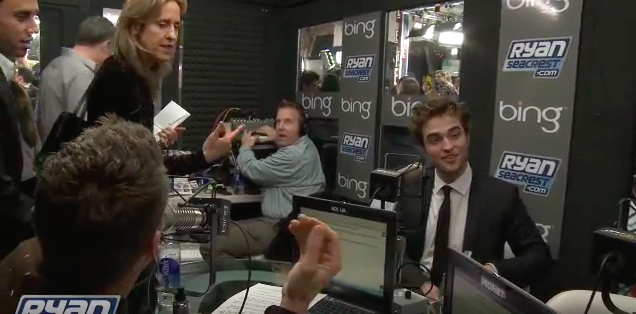
Celebrity interviews can be different from those in corporate or brand PR in many ways. There, the publicist often takes the role as interview cop, especially with a reporter they deem overly aggressive. In 2009, Robert Pattinson’s publicist pulled the plug on a short interview with Ryan Seacrest after Seacrest asked a question about the actor’s relationship with then-girlfriend and co-star Kristen Stewart. The publicist was trying to protect the interests of her client, who apparently did not want to talk about his relationship. PR’s Role in Preparing for Media InterviewsBut in this instance, the PR pro’s on-camera demeanor made Pattinson look a bit helpless and pampered. After all, personal relationships are part of the game, and if Seacrest didn’t agree to ground rules barring the topic, why wouldn’t he mention it? Pattinson laughs off the awkwardness gracefully, but he should have brushed off the question for himself.


Crisis PR needs a steady partner

In a crisis situation, the media spokesperson may face the toughest of PR challenges. In these cases a misplaced or misunderstood phrase can result in reputation and/or fiscal damage, deepening the existing crisis. Here it makes sense for a trained communications or legal professional to accompany any media spokesperson in a high-stakes interview, and journalists expect it as well. See our earlier post for a PR view of CEO apologies.

Overall a PR professional walks a fine line between skillful management of a situation and undesirable interference. PR people act as facilitators, diplomats, and counselors, and the two most important factors in such situations are typically those that are earned over years of practice — experience and good judgment.

What Happens After The Reporter Says Yes?

Seeing a client’s interview in a key publication is still a quintessential public relations win, so PR pros spend a lot of time perfecting media pitching. But once we get a “yes” to a pitch or interview request, it’s no time to sit back and relax. What happens next is arguably more important than what came before. To maximize the impact of earned coverage, the media relations pro must master the pitch, the interview, and the promotion of the story.

What happens after the reporter says yes?

Nail it down, fast

A good PR person will immediately schedule the interview and send a confirmation to all parties. This may not be as easy as it sounds given travel schedules and other commitments, but it’s important to seize the opportunity. If a reporter ends up postponing the interview, take it in stride, but do your best to ensure that the client won’t.

Always overprepare

If the reporter is unfamiliar with the interviewee or the company, the PR person will offer introductory information, naturally. But never assume the journalist will take the time to read the background provided, or that he will stick to suggested questions. (Many journalists prefer not to offer questions in advance, and even if they do, things change.) The main job of the PR person at this point is to control every aspect she can, from the client briefing down to the conference line chosen for the interview. (Don’t laugh; in a busy agency, it’s easy to double-book the same line for two calls!)  The PR team will offer interview prep in the form of a briefing document that offers background on the journalist, previous stories, interests, and a summary of goals and recommended message points for the interview. Check our earlier post for best PR tips on media interviews.

Join the interview

The PR person will typically join the reporter and the executive on the call (or in person) to make sure all goes smoothly and to troubleshoot anything that may come up. Journalists don’t always welcome the PR rep’s participation, but it’s standard, and it’s commonly part of our job. It’s not typical, however, for the PR person to interfere or interrupt the interview unless something goes awry. Any problem topics, questions, or areas of doubt should be cleared up beforehand; the journalist is there for the interview, not to struggle to get questions answered. But the job is still not done once the piece is published.

Post-mortem

We like to send a note recapping the interview and offering constructive suggestions for improvement, if relevant. It’s a good client service tip, and it may help a reluctant or meandering spokesperson to stick to what is most pertinent for future interviews. It’s also important to pass on any feedback offered by the journalist. In tech PR, it sometimes happens that a client executive gets too far into the weeds or assumes an unrealistic level of technical knowledge by the reporter, so good criticism is valuable.

What happens after the story publishes?

How did we do?

Once the article or segment is live, both parties evaluate it for accuracy; it’s not uncommon for there to be small errors in names, titles, or other details. Most journalists are very open to making factual corrections, and it pays to act fast, because the life of a story may be short. Most importantly, the PR agency and client will assess whether the story helped accomplished their objectives and how to merchandise it to key audiences.

PR leverage and amplification

Time to leverage the win. The company and its PR partner will amplify the article on all owned media, starting with social channels. It may be added to the website newsroom feed, distributed to contacts in email marketing, or occasionally in paid advertising. The PR agency can help by sharing major stories on its own social channels and website. And why not give your sales department more ammunition to close leads in the form of the earned credibility that a positive media placement provides? For six ways to amplify media outcomes, see this earlier post.

Make it snowball!

A positive feature or compelling interview tends to generate additional media interest. In the B2B PR realm, larger publications can pick up trade journal placements, which carry a lot of clout. While this may happen organically, it’s advisable to be proactive in pursuit of snowballing coverage. The PR team can pitch a similar story in another context or a follow-up story to other outlets that won’t compete directly with the original story. The story can be pitched targeting media in another vertical, or the agency may approach a broadcast outlet in the wake of a print story. It’s important to ride the wave of media momentum as far as it can possibly go.

PR measures up

After garnering a major piece of earned media in a key publication, amplifying and snowballing, the PR team wants to know how much it moved the needle on goals like awareness and lead generation. Clearly it’s best to have metrics established in advance as well as access to data like a client’s web analytics. Different companies will have different budgets, priorities, and methods for quantifying earned media coverage. See our earlier practical guide to measuring PR outcomes for advice on evaluating earned media as well as progress against big-picture PR goals.

PR Advantages of Pitching Trade Press

Every B2B tech PR person dreams of the splashy feature that will help make their company brand instantly recognizable. Maybe it’s a Fast Company article detailing a compelling success or a groundbreaking startup story. We all live for the big hits, but not every feature story is a magic bullet, and they don’t come along every month. Just as some celebrities are famous for being famous, big-media notoriety can build the ego without building the brand.

If the big-name media feature is the show horse, then trade publication coverage is the less glamorous workhorse of PR. The B2B buyers’ journey has been evolving rapidly, with research indicating that “decision makers don’t just go to a website, add a data center to their shopping cart and check out. They research, ask questions, ask more questions and spend countless hours online before deciding.” Those hours, of course, include studying trade journals, reviews, and analyst reports.

In a B2B purchase decision, third-party influence is a powerful way to capture customer interest. While pitching the national publications should definitely be a part of the overall PR plan, no B2B tech campaign can afford to ignore the opportunities that trade media afford.

How trade coverage wins

Trade coverage has built-in relevance

While a feature in The Verge reaches a broad demographic of tech enthusiasts, a similar story in AI Magazine (published by the Association for the Advancement of Artificial Intelligence) will target the AI community: engineers, entrepreneurs, experts, and fans of artificial intelligence. Wired describes itself as covering the intersection of technology, science, art, and culture. A B2B with a new VR (virtual reality) tool for real estate sales should never neglect specialty outlets VR Journal or AR/VR Magazine – as well as real estate trade journals like Realtor Magazine. Real estate company buyers are more likely to be paging through these journals than Wired. This adds up to coverage with greater relevance to the likeliest buyers. Your story may have less eyes on it, but they will be the right eyes.

Trade pubs are a community network

Digital and print trades in a given sector are tantamount to a virtual business community. They’re platforms for idea-sharing, networking, recruiting, and advertising. A consistent presence in the right trade outlet can announce the arrival of a new company as a legit player, or it may help establish a founder as thought leader. Trade coverage can also help attract talent and be a door-opener with prospective clients. Some trades are distributed free through industry membership organizations, and this less commercial model breeds greater objectivity and familiarity within the community.

Trades placements yield good returns

Pitching trade press can be easier than nailing a story in a large media outlet. A large outlet will be looking for a seven-figure financing announcement or a splashy customer testimonial. Plus, bigger outlets like to report on bigger companies. In trades, the stories can be smaller and less flashy, but more in-depth. If a new company has a very specific, highly technical new tool, its value may be hard to communicate to a wide audience, but a trade may love it, technical details and all.

Additionally, trade press hits can multiply opportunities. B2B can leverage trade outlet coverage by repurposing it into owned media, as well as in case studies, white papers, webinars, and pitches to bigger outlets. National publications sometimes even pick up trade journal coverage, leading to exponential coverage for your brand. You get the best of both worlds.

Trades confer “earned authority”

Like all earned media, trade publications offer that all-important third-party endorsement. Industry insiders respect the credibility of trade journal reporting and use it as a valuable resource. That respect and trustworthiness which journal coverage confers upon a company translates into expanded brand visibility, new leads, and conversions opportunities. The pitching of bylines and interviews to trade publications is a cornerstone of a well-conceived thought-leadership plan. An executive whose name and point of view appears regularly in the trade press will become an industry fixture.

This air of authority that trade placements produce also helps guide B2B decision-makers along the buyer’s journey. In the information collection phase of the buyer’s journey, B2B decision makers seek to gather content more trustworthy than that from a company’s own website. They dig online for data sheets, case studies, reviews, analyst reports, and white papers – much of which can be found in trade journals.

Two of the biggest 2018 marketing trends in B2B involve the creation of more marketing content and the personalized delivery of that content. Pitching to trade media satisfies both trends, by assisting in the creation of relevant content and its most appropriate audience. An inexperienced PR pro may neglect trade outlet pitching, opting instead to swing for the fences. But savvy B2B teams realize that more hits in the right places can add up to winning outcomes.